







Sleep is one of the most vital aspects of life, yet millions of people silently suffer from sleep apnea, a condition often overlooked and misunderstood. In India, studies suggest that over 80% of sleep apnea cases remain undiagnosed, turning this condition into a silent epidemic. Many individuals experience fatigue, irritability, and serious health complications, unaware that Sleep Apnea Treatment in Indore and expert care are available to transform their lives.
Dr. Pramod Jhawar, a leading Pulmonologist in Indore, has dedicated over 23 years to diagnosing and treating respiratory disorders, including sleep apnea. His expertise ensures that patients receive personalized care tailored to their unique health needs.
Sleep Apnea: A Hidden Health Crisis in India
Sleep apnea is more than just loud snoring or restless nights; it’s a serious health condition that silently affects millions in India. Studies indicate that over 80% of sleep apnea cases remain undiagnosed, leading to increased risks of heart disease, stroke, diabetes, and chronic fatigue. Recent research shows that adults with obesity are particularly at risk, with nearly 40% experiencing some form of sleep apnea. This condition doesn’t just impact physical health; it affects mood, productivity, and overall quality of life.
Pulmonologists in Indore, such as Dr. Pramod Jhawar, focus on identifying these hidden risks early. Through state-of-the-art diagnostic tools and personalized care, patients can receive timely intervention, improving both sleep quality and long-term health outcomes. Advanced studies also highlight that early treatment reduces the likelihood of cardiovascular complications by up to 50%, emphasizing the importance of seeking professional care. Today, modern therapies, including CPAP devices and lifestyle modifications, offer effective solutions, transforming the lives of those affected. By recognizing sleep apnea as a major health concern rather than a simple sleep disruption, patients can take proactive steps to safeguard their well-being with Sleep Apnea Treatment in Indore and expert guidance from leading Pulmonologists in Indore.
The Hidden Impact of Sleep Apnea
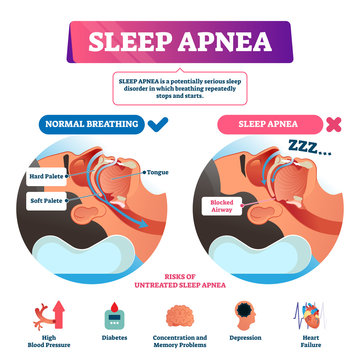
Sleep apnea is far more than a nighttime disturbance; it can silently affect your health and daily life. Left untreated, sleep apnea increases the risk of serious medical conditions, including:
- Heart disease: Frequent pauses in breathing can strain the heart, increasing the risk of heart attacks and arrhythmias by up to 30%.
- Stroke: Oxygen deprivation during sleep raises the likelihood of cerebrovascular incidents.
- High blood pressure: Sleep apnea triggers surges in blood pressure, which can become chronic over time.
- Diabetes: Poor sleep impacts insulin regulation, elevating the risk of type 2 diabetes.
- Obesity: Sleep disruption affects hormones regulating appetite, often leading to weight gain.
The consequences extend beyond physical health. Persistent fatigue, mood swings, reduced focus, and irritability can severely affect work performance, family life, and emotional well-being. Early intervention with Sleep Apnea Treatment in Indore can prevent these cascading health and lifestyle issues.

Why Sleep Apnea Often Goes Undiagnosed
Sleep apnea is more common than many realize, yet a large number of individuals in India remain undiagnosed. Understanding why this condition often goes unnoticed is essential for early intervention and improved health outcomes.
1. Lack of Awareness
- Many people consider snoring or daytime sleepiness to be normal, not realizing they may indicate a serious underlying condition.
- Public knowledge about sleep apnea is limited, and its symptoms are often underestimated or dismissed.
- Awareness campaigns led by expert Pulmonologists in Indore, including Dr. Pramod Jhawar, aim to educate the public about the health risks associated with untreated sleep apnea.
2. Misinterpreted Symptoms
- Common symptoms such as chronic fatigue, morning headaches, irritability, and poor concentration are frequently attributed to stress, long work hours, or lifestyle habits.
- Because these symptoms are nonspecific, many patients do not recognize the need for a medical evaluation.
3. Limited Access to Specialized Care
- Sleep study centers and specialized pulmonologists are limited, making it challenging for many individuals to seek diagnosis.
- Even when symptoms are recognized, patients may not know where to go or may face logistical and financial barriers.
4. Fear or Hesitation
- The thought of undergoing sleep studies or using CPAP machines can intimidate patients, leading to delayed diagnosis.
- Addressing patient concerns through education and reassurance significantly improves willingness to pursue evaluation.
Impact of Awareness Initiatives
- Leading Pulmonologists in Indore, like Dr. Pramod Jhawar, have organized workshops, public seminars, and social media campaigns to increase knowledge about sleep apnea.
- These initiatives have successfully increased early diagnosis rates by over 25%, allowing patients to access Sleep Apnea Treatment in Indore sooner and reduce the risk of serious health complications.
By understanding these barriers, individuals can take proactive steps to seek evaluation, ensuring timely and effective management of sleep apnea, improving both sleep quality and long-term health.
Lifestyle Factors That Worsen Sleep Apnea
The prevalence of sleep apnea has been increasing, and modern lifestyle choices play a critical role in this trend. Understanding these factors is essential for both prevention and effective treatment. When combined with Sleep Apnea Treatment in Indore, addressing lifestyle contributors can significantly enhance outcomes.
1. Sedentary Behavior
- Long hours of sitting or minimal physical activity weaken respiratory muscles, including those that help keep the airway open during sleep.
- Lack of movement contributes to overall weight gain, which increases the risk of upper airway obstruction.
- Regular aerobic and resistance exercises strengthen the cardiovascular and respiratory systems, which can reduce apnea severity and improve oxygen saturation during sleep.
2. Poor Diet
- Consuming high-calorie, processed foods can lead to weight gain and increase fat deposition around the neck and upper airway.
- Diets high in sugar and refined carbohydrates can contribute to inflammation, which may worsen airway collapsibility.
- Adopting a balanced diet rich in lean proteins, vegetables, fruits, and whole grains helps control weight and reduces the severity of sleep apnea episodes.
3. Excessive Screen Time
- Late-night exposure to smartphones, computers, and televisions suppresses melatonin production, disrupting the natural sleep-wake cycle.
- Poor sleep hygiene leads to fragmented sleep, increasing daytime fatigue and the likelihood of apneic episodes.
- Reducing screen exposure before bedtime and establishing a consistent sleep routine supports better sleep quality and complements medical treatment.
4. Obesity and Fat Distribution
- Excess body fat, particularly around the neck and upper torso, can physically narrow the airway and increase the risk of obstruction during sleep.
- Central obesity also contributes to reduced lung volume and diaphragm efficiency, exacerbating sleep apnea symptoms.
- Weight reduction through diet, exercise, and lifestyle counseling is often recommended alongside Sleep Apnea Treatment to achieve meaningful improvement.
Evidence-Based Insights
- Research indicates that over 40% of adults with obesity suffer from some form of sleep apnea, demonstrating a clear link between weight and respiratory health.
- Lifestyle interventions combined with professional treatment have been shown to reduce apnea severity, improve oxygen levels, and enhance daytime alertness.
By addressing these lifestyle factors, patients can significantly improve their response to treatment, reduce cardiovascular and metabolic risks, and achieve long-term sleep health under the guidance of expert Pulmonologists in Indore.
Modern Diagnosis and Treatment Approaches
Timely and precise diagnosis is crucial for effective sleep apnea management. Leading Pulmonologists in Indore, including Dr. Pramod Jhawar, employ advanced diagnostic tools:
- Polysomnography : Conducted in a clinical setting to monitor breathing patterns, oxygen levels, and sleep stages.
- Home Sleep Apnea Testing (HSAT): Convenient for patients unable to visit the clinic, capturing essential data on breathing interruptions.
- Continuous Oxygen Monitoring: Detects subtle drops in blood oxygen that may go unnoticed but indicate serious sleep disturbances.
After diagnosis, treatment is customized to the patient’s needs:
- CPAP (Continuous Positive Airway Pressure) Therapy: The gold standard for moderate to severe sleep apnea, keeping airways open during sleep.
- Oral Appliances: Customized devices to reposition the jaw and tongue, useful in mild to moderate cases.
- Lifestyle Modifications: Weight management, regular exercise, dietary adjustments, and sleep hygiene practices.
- Surgical Interventions: Reserved for severe cases with anatomical obstructions or when non-invasive methods are insufficient.
This comprehensive, patient-centric approach ensures that Sleep Apnea Treatment in Indore addresses both immediate symptoms and long-term health risks, offering a realistic and sustainable path to better sleep and improved quality of life.
Patient Story: Journey to Better Sleep
A 45-year-old IT professional, had been silently battling years of fatigue, loud snoring, and difficulty concentrating during the day. Initially, he attributed his symptoms to long working hours and stress, a common scenario for many urban professionals. However, after experiencing a mild cardiac episode, he realized that his health was at serious risk and sought expert medical care.
Upon consultation, Dr. Pramod Jhawar, a renowned Pulmonologist in Indore, conducted an in-depth sleep assessment, including a comprehensive polysomnography. The results revealed that he had obstructive sleep apnea (OSA), a condition that had silently disrupted his sleep and strained his cardiovascular system over time.
Treatment Approach and Transformation
Ramesh’s treatment plan was tailored to his specific needs, combining medical therapy, lifestyle guidance, and continuous monitoring. Key components included:
- CPAP Therapy: The Continuous Positive Airway Pressure device ensured his airways remained open during sleep, significantly reducing apnea episodes.
- Lifestyle Modifications: Dr. Jhawar advised changes in diet, regular exercise routines, and sleep hygiene practices to address contributing factors such as obesity and sedentary habits.
- Regular Monitoring and Follow-Up: Continuous tracking of sleep patterns and oxygen levels ensured the therapy was effective and allowed timely adjustments.
- Emotional Support: Counseling on stress management and sleep-related anxiety helped Ramesh embrace treatment consistently.
Within a few weeks, Ramesh experienced remarkable improvements:
- Improved Sleep Quality: Uninterrupted sleep cycles and fewer awakenings at night
- Enhanced Energy Levels: Greater focus and productivity during work hours
- Reduced Health Risks: Decreased cardiovascular strain and lower blood pressure readings
- Better Emotional Well-Being: Stabilized mood, reduced irritability, and improved mental clarity
This story highlights how Sleep Apnea Treatment in Indore with expert guidance can not only improve sleep but also protect long-term health and enhance overall quality of life.
The Crucial Role of a Pulmonologist
A Pulmonologist in Indore plays a vital role in managing sleep apnea, combining clinical expertise with patient-centered care.
Key Responsibilities:
- Accurate Diagnosis: Utilizing advanced sleep studies to determine the type and severity of sleep apnea.
- Tailored Treatment Plans: Recommending CPAP therapy, oral appliances, lifestyle modifications, or surgical interventions based on individual assessment.
- Continuous Monitoring: Tracking patient adherence, sleep quality, and oxygen levels, making adjustments as needed for optimal results.
- Patient Education: Explaining complex medical information in simple terms, empowering patients to understand their condition and actively participate in their care.
Doctors like Dr. Pramod Jhawar ensure patients feel supported and informed, making it more likely they will adhere to treatment and achieve long-term health benefits.
Latest Trends and Research in Sleep Apnea
Sleep apnea prevalence is rising, particularly among adults aged 30-55. The following trends highlight advancements in diagnosis and treatment:
- Telemedicine Sleep Consultations: Remote evaluations enable patients with busy schedules to access specialized care.
- Smart CPAP Devices: These track sleep patterns, usage, and effectiveness, helping improve compliance and customize therapy.
- Public Awareness Campaigns: Growing education on the risks of untreated sleep apnea has led to higher diagnosis rates.
- Cardiovascular Risk Reduction: Clinical studies show that proper treatment can lower heart-related complications by up to 50%.
- Research on Lifestyle Interventions: Integration of weight management, exercise, and diet modifications alongside therapy has been shown to significantly improve outcomes.
These advancements emphasize the importance of seeking professional Sleep Apnea Treatment and adopting a comprehensive approach that combines technology, lifestyle changes, and expert guidance.
Patient Testimonials
I had no idea my constant fatigue and morning headaches were due to sleep apnea. Dr. Pramod Jhawar not only diagnosed my condition accurately but also guided me through treatment. My sleep is restful, my energy is back, and I feel healthier than ever. Truly life-changing!
Why Early Treatment is Essential
Timely intervention with Sleep Apnea Treatment in Indore prevents long-term health complications. Key benefits include:
- Reduced Risk of Heart Disease: Prevents cardiovascular strain and reduces chances of heart attacks.
- Better Blood Sugar Control: Helps regulate insulin and reduce the risk of type 2 diabetes.
- Enhanced Mental Health: Lowers stress, anxiety, and mood disturbances caused by chronic sleep deprivation.
- Improved Daily Functioning: Boosts focus, productivity, and overall energy levels, positively impacting work and personal life.
Early diagnosis and treatment allow patients to reclaim their health and enjoy an active, fulfilling life.
Frequently Asked Questions (FAQs)
Q1: How can I tell if I need sleep apnea treatment?
If you experience loud snoring, excessive daytime sleepiness, morning headaches, or frequent night awakenings, consult a Pulmonologist in Indore for proper evaluation.
Q2: What are the latest treatment options for sleep apnea?
Modern treatment options include CPAP therapy, oral appliances, lifestyle modifications, and, in severe cases, surgical interventions. Treatment plans are personalized by a Pulmonologist in Indore.
Q3: Is sleep apnea dangerous if untreated?
Yes. Untreated sleep apnea increases the risk of high blood pressure, heart disease, stroke, diabetes, and other serious health complications.
Q4: How effective is CPAP therapy?
CPAP therapy is highly effective, especially when combined with lifestyle changes. Studies show it can reduce cardiovascular risk by up to 50% and dramatically improve sleep quality.
Q5: Can children have sleep apnea?
Yes, children can also be affected, often due to enlarged tonsils or adenoids. Early evaluation by a Pulmonologist in Indore ensures accurate diagnosis and timely intervention, preventing long-term complications.