

Chronic Obstructive Pulmonary Disease (COPD) is a long-term lung condition that affects millions of people worldwide. It can make breathing difficult and gradually interfere with daily activities. Many people ignore early symptoms such as coughing, mucus production, or shortness of breath, assuming these problems are a normal part of aging. However, timely diagnosis and proper COPD Treatment in Indore can help improve quality of life and slow disease progression.
Dr. Pramod Jhawar, recognized as the Best Pulmonologist in Indore, has more than 30 years of experience in diagnosing and managing respiratory diseases. His expertise in asthma, COPD, lung infections, allergies, and sleep-related breathing disorders helps patients receive appropriate care and guidance for long-term lung health.
What is COPD?
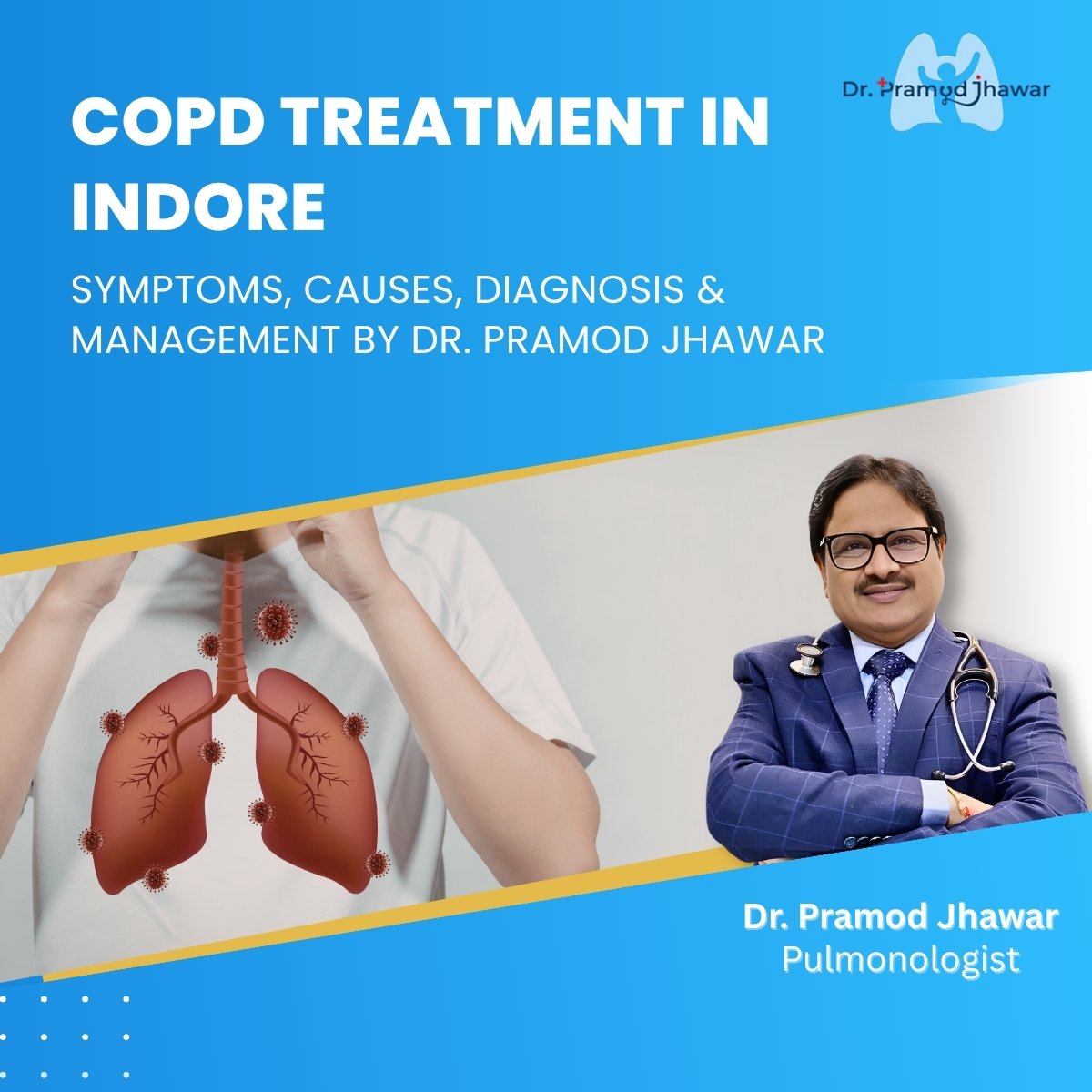
COPD, or Chronic Obstructive Pulmonary Disease, is a group of progressive lung diseases that block airflow and make breathing difficult. The two most common conditions associated with COPD are chronic bronchitis and emphysema.
People suffering from COPD often experience:
Seeking COPD Treatment in Indore at an early stage can help reduce symptoms and support better lung function.
- Persistent cough
- Excess mucus production
- Shortness of breath
- Wheezing
- Chest tightness
- Fatigue
Common Causes of COPD
COPD develops gradually over time and is often the result of long-term exposure to substances that irritate and damage the lungs. Understanding the causes of COPD can help individuals take preventive measures and seek medical attention before significant lung damage occurs. According to Dr. Pramod Jhawar, identifying risk factors early is an important step in protecting respiratory health.
Smoking
Smoking is the most common cause of COPD worldwide. Cigarette smoke contains harmful chemicals that irritate the airways and damage lung tissue over time. Both active smokers and people exposed to secondhand smoke are at an increased risk of developing COPD. The longer a person smokes, the greater the risk of permanent lung damage. Dr. Pramod Jhawar often advises patients to quit smoking as early as possible to help slow disease progression and improve lung health.
Air Pollution
Long-term exposure to polluted air can also contribute to the development of COPD. Dust particles, vehicle emissions, industrial pollution, and smoke from biomass fuels used for cooking can irritate the lungs and cause chronic inflammation. People living in highly polluted environments may have a higher risk of respiratory problems and may eventually require COPD Treatment in Indore if symptoms become persistent.
Occupational Exposure
Certain occupations expose workers to dust, chemical fumes, gases, and industrial pollutants on a regular basis. Construction workers, miners, factory employees, and individuals working in chemical industries may face a higher risk of lung damage due to prolonged exposure. Using protective equipment and following workplace safety measures can help reduce this risk.
Genetic Factors
Although smoking and environmental factors are common causes, some individuals may develop COPD due to inherited genetic conditions. Certain genetic disorders can make the lungs more vulnerable to damage, even in people who have never smoked. Dr. Pramod Jhawar carefully evaluates family history and other risk factors while assessing patients for COPD.
People seeking COPD Treatment in Indore are often encouraged to identify and minimize exposure to these risk factors to help protect their lung function and overall respiratory health.

Early Signs and Symptoms of COPD
COPD symptoms usually develop slowly and may not be noticeable during the early stages of the disease. Many people assume these symptoms are related to aging, seasonal changes, or minor respiratory issues. However, recognizing the warning signs early can lead to timely diagnosis and better management.
Frequent Cough
A persistent cough that continues for weeks or months is one of the earliest signs of COPD. Some people may experience a cough that is worse in the morning and produces mucus regularly. Chronic coughing should not be ignored, especially if it continues despite treatment.
Shortness of Breath
Breathlessness is one of the most common symptoms of COPD. Initially, it may occur only during physical activities such as walking, climbing stairs, or exercising. As the disease progresses, even routine daily tasks may become challenging due to difficulty breathing.
Wheezing
Wheezing is a whistling or squeaking sound that occurs while breathing. It is usually caused by narrowed or inflamed airways and can be an early indication of airflow obstruction associated with COPD.
Increased Mucus Production
Many COPD patients experience excessive mucus production, particularly during the morning hours. The body produces extra mucus in response to airway irritation, which can contribute to coughing and breathing difficulties.
Fatigue
Reduced lung function can decrease the amount of oxygen reaching the body’s tissues. As a result, individuals with COPD may frequently feel tired, weak, or low on energy, even after minimal physical activity.
Consulting Dr. Pramod Jhawar, recognized as a Best Pulmonologist in Indore, at the first sign of persistent respiratory symptoms can help with early diagnosis, appropriate treatment, and better long-term management of COPD. Early medical attention often plays a key role in maintaining lung health and improving quality of life.
When Should You See a Doctor?
You should seek medical attention if you experience:
Timely COPD Treatment in Indore can help reduce complications and improve daily functioning.
- Breathlessness during routine activities
- Persistent cough
- Recurrent chest infections
- Wheezing
- Unexplained fatigue

How COPD is Diagnosed
Accurate diagnosis is the first step toward effective COPD management. Since symptoms such as cough, breathlessness, and wheezing can also occur in other respiratory conditions, a detailed evaluation is necessary to confirm the diagnosis and determine the severity of the disease. Dr. Pramod Jhawar follows a systematic approach to identify COPD and develop an appropriate treatment plan for each patient.
Medical History Review
The diagnostic process usually begins with a detailed discussion about the patient’s symptoms and overall health. Dr. Pramod Jhawar carefully evaluates factors such as the duration of cough, frequency of breathlessness, mucus production, smoking history, occupational exposure to dust or chemicals, and any family history of lung diseases. Understanding these factors helps identify potential causes and assess the risk of COPD.
Physical Examination
A comprehensive physical examination plays an important role in diagnosing COPD. During the examination, Dr. Pramod Jhawar listens to the lungs using a stethoscope to check for abnormal breathing sounds such as wheezing or reduced airflow. He may also look for signs of respiratory distress, chest expansion abnormalities, and other physical indicators that may suggest chronic lung disease.
Pulmonary Function Test (PFT)
The Pulmonary Function Test (PFT), also known as spirometry, is one of the most important tests used to diagnose COPD. This test measures how much air a person can inhale and exhale, as well as how quickly air can be expelled from the lungs. The results help determine the presence and severity of airflow obstruction. Dr. Pramod Jhawar often recommends PFTs for patients experiencing persistent breathing difficulties, as they provide valuable information about lung function and disease progression.
Chest Imaging
Imaging studies such as chest X-rays and CT scans help doctors examine the structure of the lungs and identify any abnormalities. A chest X-ray may reveal signs of lung damage, hyperinflation, or other respiratory conditions that could be contributing to symptoms. In some cases, Dr. Pramod Jhawar may recommend a CT scan for a more detailed assessment of the lungs, especially when evaluating emphysema or ruling out other lung diseases.
Blood Tests
Blood tests may be advised to assess oxygen levels, detect infections, and rule out other medical conditions that can cause symptoms similar to COPD. In certain cases, arterial blood gas (ABG) analysis may be performed to measure oxygen and carbon dioxide levels in the blood. These tests help Dr. Pramod Jhawar understand how effectively the lungs are delivering oxygen throughout the body.
Additional Diagnostic Evaluations
Depending on the patient’s condition, Dr. Pramod Jhawar may recommend additional investigations to gain a clearer understanding of lung health. These tests help identify complications, evaluate disease severity, and guide treatment decisions for long-term respiratory care.
Importance of Early Diagnosis
Early diagnosis can make a significant difference in managing COPD effectively. Identifying the condition at an early stage allows patients to begin treatment sooner, reduce symptom progression, and improve overall quality of life. Patients seeking COPD Treatment in Indore often undergo a combination of medical history assessment, physical examination, lung function testing, imaging studies, and laboratory investigations to ensure a comprehensive and accurate diagnosis under the guidance of Dr. Pramod Jhawar, a Best Pulmonologist in Indore.
Treatment Options for COPD
Although COPD is a long-term lung condition and cannot be completely cured, the right treatment can help control symptoms, improve breathing, reduce flare-ups, and enhance overall quality of life. Dr. Pramod Jhawar believes that early diagnosis and a well-planned treatment approach can help COPD patients stay active and manage their condition more effectively.
Medications
Medications are one of the most important parts of COPD management. Depending on the severity of symptoms, Dr. Pramod Jhawar may recommend inhalers, bronchodilators, or other medications to help relax and open the airways. These medicines can make breathing easier, reduce coughing, decrease mucus production, and improve lung function. Some patients may also require medications to reduce airway inflammation and prevent frequent exacerbations. It is important to take prescribed medicines regularly and exactly as advised by Dr. Pramod Jhawar to achieve the best possible results.
Pulmonary Rehabilitation
Pulmonary rehabilitation is a specialized program designed to help people with chronic lung diseases improve their physical fitness and breathing ability. This program usually includes supervised exercises, breathing techniques, nutritional guidance, and education about managing COPD symptoms. Dr. Pramod Jhawar often emphasizes the importance of pulmonary rehabilitation because it helps patients increase their stamina, perform daily activities more comfortably, and improve their overall confidence. Many individuals undergoing COPD Treatment in Indore experience significant benefits from pulmonary rehabilitation programs.
Oxygen Therapy
As COPD progresses, some patients may develop low oxygen levels in their blood. In such cases, oxygen therapy may be recommended. Oxygen therapy provides additional oxygen through a mask or nasal cannula, helping patients breathe more comfortably and maintain adequate oxygen levels throughout the body. Dr. Pramod Jhawar carefully evaluates oxygen requirements through clinical assessment and diagnostic testing before recommending oxygen therapy. Proper use of oxygen therapy can help reduce breathlessness, improve sleep quality, and support better overall health.
Lifestyle Changes
Lifestyle modifications are a key part of successful COPD management. Dr. Pramod Jhawar advises patients to quit smoking, avoid exposure to dust and pollution, maintain a healthy diet, stay physically active, and follow healthy sleep habits. Small daily changes can make a significant difference in controlling symptoms and preventing further lung damage. Patients who adopt healthier lifestyles often experience better energy levels and improved breathing capacity over time.
Importance of Pulmonary Rehabilitation
Pulmonary rehabilitation is an important part of long-term COPD care.
Many patients receiving COPD Treatment in Indore benefit significantly from structured rehabilitation programs.
Benefits include:
- Improved breathing efficiency
- Better physical stamina
- Reduced breathlessness
- Enhanced quality of life
- Increased confidence in daily activities
Tips for Living with COPD
Managing COPD needs daily care, patience, and the right guidance. Along with medicines, small lifestyle changes can help patients breathe better and stay more active. Dr. Pramod Jhawar explains that COPD care is not only about treating symptoms but also about protecting the lungs from further damage.
Quit Smoking
Quitting smoking is one of the most important steps for people with COPD. Smoking slowly damages the airways and makes breathing problems worse over time. Even reducing smoking is not enough; complete quitting gives the lungs a better chance to function properly. Dr. Pramod Jhawar advises COPD patients to avoid both active smoking and secondhand smoke, as both can irritate the lungs and increase coughing, wheezing, and breathlessness.
Stay Active
Many COPD patients avoid physical activity because they fear breathlessness. However, gentle and regular exercise can help improve stamina and strengthen breathing muscles. Simple activities like walking, light stretching, and breathing exercises may support better lung function. According to Dr. Pramod Jhawar, staying active under medical guidance can help patients manage daily work with more confidence and less tiredness.
Eat a Balanced Diet
A healthy diet plays an important role in COPD management. Nutritious food gives the body energy and helps maintain strength. COPD patients should include fruits, vegetables, protein-rich foods, and enough fluids in their daily routine. Dr. Pramod Jhawar suggests avoiding heavy meals that may cause bloating and make breathing uncomfortable. Eating small, frequent meals can be helpful for many patients.
Avoid Pollutants
Dust, smoke, strong smells, vehicle pollution, and chemical fumes can worsen COPD symptoms. Patients should try to keep their surroundings clean, avoid smoky places, and wear a mask when pollution levels are high. Dr. Pramod Jhawar recommends staying indoors during heavy pollution or extreme weather conditions, as these triggers can increase breathing difficulty.
Follow Medical Advice
Regular follow-ups are very important in COPD care. Medicines, inhalers, breathing exercises, and lifestyle changes work best when followed properly. Dr. Pramod Jhawar, known as the Best Pulmonologist in Indore, guides patients with suitable treatment plans based on their symptoms and lung condition. Timely consultation with Dr. Pramod Jhawar can help control COPD symptoms, reduce flare-ups, and improve quality of life.

Can COPD Be Prevented?
While not every case can be prevented, certain measures can reduce risk.
Early intervention and COPD Treatment in Indore can help prevent further lung damage and improve long-term outcomes.
- Avoid smoking and secondhand smoke.
- Use protective equipment in dusty work environments.
- Minimize exposure to indoor and outdoor pollutants.
- Maintain a healthy lifestyle.
- Seek medical attention for persistent respiratory symptoms.
Why Choose Dr. Pramod Jhawar for COPD Care?
Dr. Pramod Jhawar is widely recognized for his extensive experience in respiratory medicine. With more than three decades of expertise, he has successfully managed thousands of patients with lung diseases.
As the Best Pulmonologist in Indore, he specializes in:
His international training and active participation in leading respiratory organizations allow him to stay updated with modern developments in pulmonary medicine.
- COPD management
- Asthma care
- Allergy treatment
- Bronchoscopy
- Sleep apnea management
- Lung infection treatment
Frequently Asked Questions (FAQs) About COPD Treatment
1. Are injections used for COPD treatment?
Injections are not usually the primary treatment for COPD. However, during severe flare-ups or hospitalizations, doctors may prescribe injectable medications such as corticosteroids or antibiotics to reduce inflammation and control infections. Dr. Pramod Jhawar recommends treatment based on the severity of symptoms and the patient’s overall condition.
2. Are antibiotics effective for COPD treatment?
Antibiotics may be prescribed when a bacterial infection triggers a COPD exacerbation. Symptoms such as increased mucus production, fever, worsening cough, and changes in mucus color may indicate an infection. Antibiotics should only be taken under medical supervision.
3. What medications are commonly used for COPD treatment?
COPD medications may include bronchodilators, inhalers, corticosteroids, combination inhalers, and other medicines that help open the airways and reduce inflammation. Dr. Pramod Jhawar carefully selects medications based on the patient’s symptoms, lung function, and disease severity.
4. What are the current COPD treatment guidelines?
Current COPD treatment guidelines focus on reducing symptoms, preventing exacerbations, improving lung function, and enhancing quality of life. Treatment often includes smoking cessation, inhalers, pulmonary rehabilitation, vaccinations, lifestyle modifications, and regular follow-up care.
5. What is the best medicine for COPD?
There is no single “best” medicine for every COPD patient. The most suitable medication depends on the severity of the condition, symptoms, medical history, and overall health. Dr. Pramod Jhawar develops individualized treatment plans to help patients manage COPD effectively.
6. What are the GOLD guidelines for COPD treatment?
The Global Initiative for Chronic Obstructive Lung Disease (GOLD) guidelines are internationally recognized recommendations for diagnosing and managing COPD. These guidelines help doctors classify COPD severity and recommend appropriate treatment strategies based on symptoms and risk of exacerbations.